
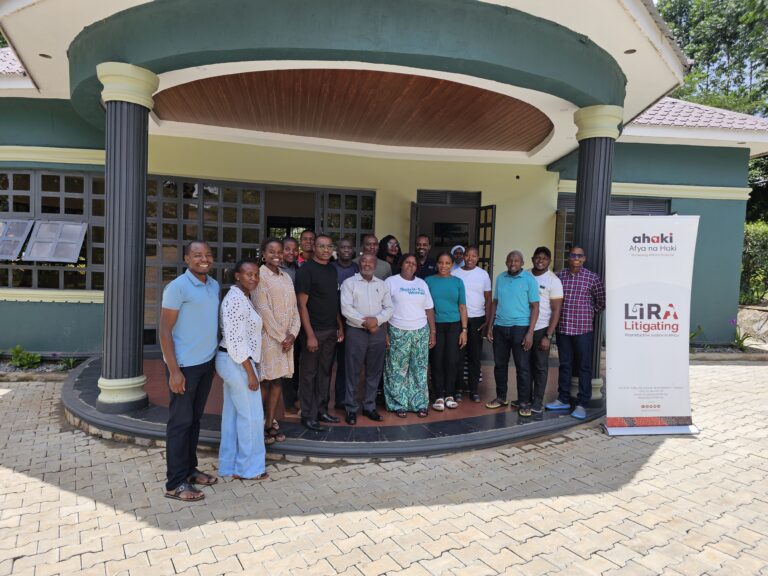
As part of a nationwide study on access to Sexual and Reproductive Health Commodities (SRHCs), our research team recently completed an intensive field preparation training aimed at equipping data collectors with the knowledge, tools, and methodological rigor required for high-quality data collection across Uganda.
This study responds to persistent gaps in access to essential SRH services—particularly challenges related to availability, affordability, and pricing of commodities. Despite progress, Uganda continues to face unmet need for contraception, and significant barriers in accessing life-saving reproductive health commodities. Strengthening evidence in this area is critical to informing policy and improving equitable access.
During the training, participants were oriented on the study’s objectives, which include assessing the availability, prices, and affordability of SRHCs, as well as identifying key barriers to access across public, private, and mission health facilities in all six regions of the country. The team was also taken through the standardized WHO/HAI methodology, a globally recognized approach for measuring medicine prices and availability.
The sessions emphasized practical skills in data collection, ethical research conduct, and quality assurance processes. Data collectors were trained on the use of structured tools to capture commodity availability, pricing variations, and stock-out patterns, alongside semi-structured interviews to explore systemic and provider-level barriers.
With this training completed, the research team is now fully prepared to embark on fieldwork. The data generated from this study will contribute to building a robust evidence base to guide national policy, improve supply chain systems, and ultimately enhance access to affordable sexual and reproductive health commodities for all Ugandans